
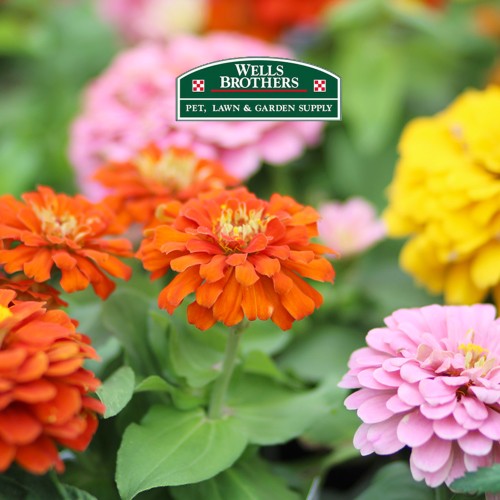
Plant: ornamental & wildlife
- Annuals: zinnia, cosmos, sunflower, celosia, penta, periwinkle, gomphrena, portulaca and other “ice” plant succulents, Mexican sunflower, salvia coccinea
- Perennials & vines: (shade them for a week or so)
- Semi-tropicals like Pride of Barbados
- Tropical plants
- Succulents
- Crinum lilies, cannas, caladiums, ginger
- Ornamental (clumping) grasses like muhly and Mexican feather grass
- Clean up and replant containers—annuals, perennials, herbs, hibiscus, vegetables in larger containers
- Top new containers with light layer of mulch to conserve water; use decomposed granite, pea gravel or other grit for potted succulents
Plant: herbs
- Basil, catnip/catmint, comfrey, fennel, horseradish, oregano, thyme, rosemary, Mexican mint marigold, peppermint, lemongrass, lemon balm, lemon verbena, bay laurel
- Plant: food crops
- Cantaloupe, okra, Southern peas, sweet potato slips, pumpkin, summer & winter squash, watermelon
Prune
- Spring flowering shrubs, vines, and roses that bloom only in spring
- Trees: DO NOT prune red oaks and live oaks unless damaged. Spray immediately with clear varnish.
- No need to apply pruning paint to other trees
- Dead head flowering plants
- Cut back fall blooming perennials like aster
- Prune spring bulbs only when foliage is brown
- Remove sucker shoots from tomato plants to get earlier, larger fruit
- Cut back spring bulbs that are brown
Move/Divide
- Succulents
- Spring blooming bulbs while you can still see them!
Fertilize
- Foliar feed flowers and vegetables with liquid seaweed
- Bougainvillea with high nitrogen
- Citrus with high nitrogen fertilizer like Citrus-tone. Fertilize every few weeks through growing season.
Insects
- Watch for aphids and spider mites. It’s easy to spray them off with a hard blast of water. Be sure to get the undersides of the leaves.
- Ladybugs and green lacewings will be chomping down those aphids, so watch for them and their larvae.
- Aphids and other insects can create sooty mold on plants, a fungus that develops from their secretions (honeydew). Wash off the culprits and the leaves. Remove damaged leaves to the trash (not the compost pile).
- Walk the garden in early morning to pick off stink bugs and largus bugs from tomatoes. Check under the leaves for eggs.
- Deploy grasshoppers while young. If you wait, you won’t be able to deal with them. Effective baits include Nolo Bait or Semaspore. Both contain a protozoa called Nosema locustae which is impregnated in bran flakes sweetened with sugar. Apply by hand or with a rotary spreader, early in the morning, when grasshoppers are feeding.
Lawn
- Move the lawn mower setting up to high. As we head into summer, keep the roots cool by leaving the grass long. Don’t remove more than 1/3 of the top at a time. Leave clippings on the lawn to naturally fertilize.
Other tasks
- Collect seeds from spring blooming plants. Clean off the chaff and let dry indoors. Store in jars, envelopes, or paper bags (not plastic) to plant in November
- Mulch, but avoid touching the base of trees and roses
- WEED! Do not let weeds go to seed. Do not apply chemicals: pull them up or mow down before they set seed.
- Watch for powdery mildew. Apply a natural fungicide like Serenade if necessary. Generally, it goes away naturally. Avoid watering leaves at night.
- Deeply water new plants. Even if rain comes, check the soil to 3” deep to make sure their roots have water. A brief shower doesn’t mean it penetrated to the roots.
- Keep a garden journal to note bloom times and insect habits.
Tips
Water fruit and nut trees deeply to avoid fruit drop-off
Prune herbs often to encourage new growth
Walk the garden in early morning to pick off stink bugs and largus bugs from tomatoes. Look under the leaves to for their eggs.